Asbestos safety and cleaning obligations Kentish Town
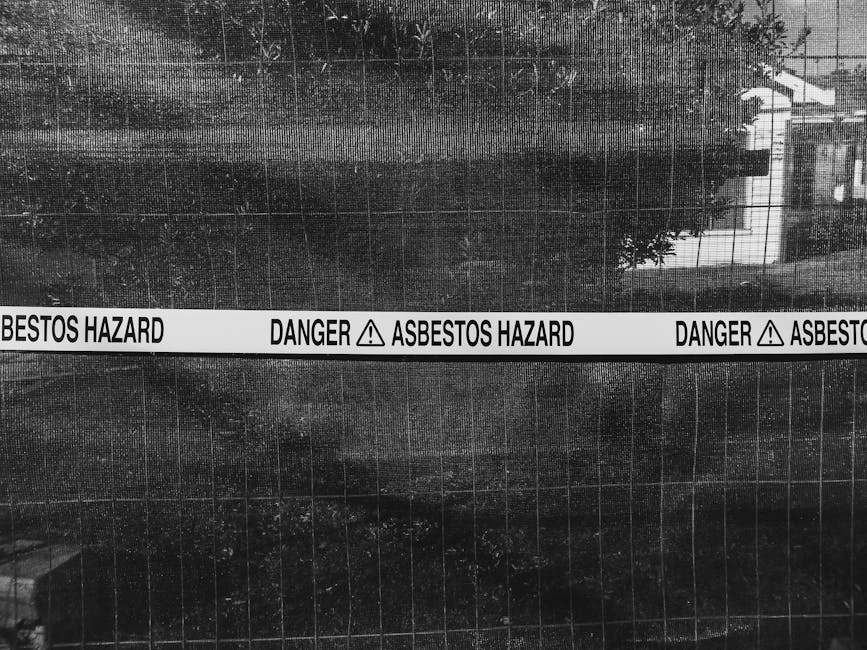
If you are dealing with a property issue in Kentish Town and asbestos might be involved, the safest approach is not to "just clean it up" and hope for the best. Asbestos safety and cleaning obligations Kentish Town are about more than tidying a dusty surface. They are about preventing fibres from becoming airborne, protecting occupants, and making sure the right people handle the right parts of the job.
That can sound heavy, and to be fair, it is. But once you understand the basics, the path becomes clearer. This guide explains what the obligations usually mean in practice, how responsible cleaning differs from disturbance, where the risks sit, and what sensible next steps look like for homes, rented flats, offices, and post-refurbishment spaces in NW5. If you are trying to decide whether the issue is a cleaning job, a specialist asbestos matter, or both, you are in the right place.
Table of Contents
- Why Asbestos safety and cleaning obligations Kentish Town Matters
- How Asbestos safety and cleaning obligations Kentish Town Works
- Key Benefits and Practical Advantages
- Who This Is For and When It Makes Sense
- Step-by-Step Guidance
- Expert Tips for Better Results
- Common Mistakes to Avoid
- Tools, Resources and Recommendations
- Law, Compliance, Standards, or Best Practice
- Options, Methods, or Comparison Table
- Case Study or Real-World Example
- Practical Checklist
- Conclusion
- Frequently Asked Questions
Why Asbestos safety and cleaning obligations Kentish Town Matters
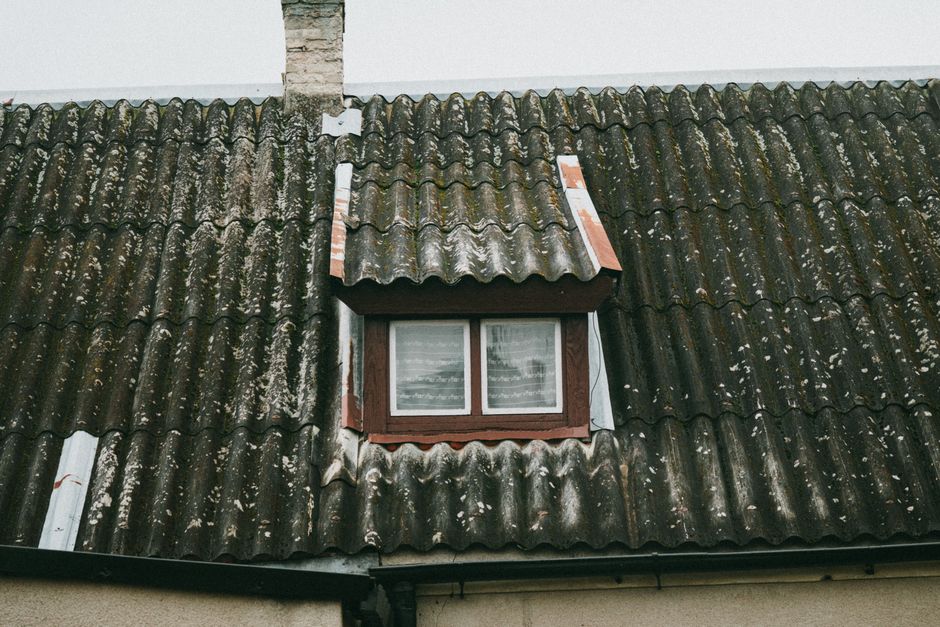
In older parts of London, including much of Kentish Town, asbestos can still turn up in buildings, refurbishment projects, ceiling voids, textured coatings, floor tiles, panel boards, pipe lagging, or behind finishes that looked perfectly ordinary at first glance. The concern is not the material sitting quietly in place. The concern is disturbance.
When asbestos-containing materials are cut, sanded, drilled, broken, swept aggressively, or vacuumed with the wrong equipment, tiny fibres may be released. You cannot always see that happening. You often cannot smell it either. That is what makes it tricky. A room can look "clean" and still be unsafe if the wrong cleaning method was used.
That is why asbestos safety and cleaning obligations matter so much. They are not just a compliance issue for contractors. They affect landlords, managing agents, homeowners, office managers, builders, cleaners, and sometimes tenants too. If you are responsible for a property, you need to know where your duty begins and where it ends. And if you are the person doing the cleaning, you need to know when to stop and escalate.
Truth be told, many people only think about asbestos after a scare: a ripped panel, a dusty loft, a strip-out that revealed old board material, or a builder saying, "That might be asbestos." That moment is exactly when calm, careful decisions matter most.
Expert summary: If asbestos is suspected, the safest rule is simple: do not disturb it, do not dry sweep it, do not use ordinary domestic vacuums, and do not assume a quick tidy-up is enough. In many cases, professional assessment comes before any cleaning.
How Asbestos safety and cleaning obligations Kentish Town Works
The phrase covers two linked responsibilities: staying safe around asbestos and making sure any cleaning work does not make the problem worse. In practice, the process usually runs in stages.
1. Identify whether asbestos may be present
You start by looking at the age of the building, the location of the material, and the type of work that has happened. A pre-2000 property is not automatically a problem, but it raises the possibility enough that caution is sensible. If there has been drilling, chasing, demolition, or hidden void access, assume the risk may be real until checked.
2. Stop unnecessary disturbance
This is where a lot of people get it wrong. A quick clean with a broom or standard vacuum can spread fine dust. If the material is asbestos-containing, that is the opposite of what you want. The immediate obligation is to limit movement, keep the area closed off where possible, and avoid "helpful" cleaning that creates airborne dust.
3. Decide whether the job is cleaning, decontamination, or specialist removal support
There is a difference between removing ordinary debris from a cleared room and dealing with a suspected asbestos contamination area. A cleaning company may be able to assist with non-asbestos debris after specialist work has made the area safe, but it should not take on tasks outside its competence or equipment. A responsible cleaning company will know where that line sits.
4. Use safe methods, not aggressive methods
For non-asbestos cleaning around a controlled area, damp wiping, controlled disposal, and the right protective approach may be used where appropriate. But the method depends on the situation. If asbestos fibres might be loose, the cleaning approach becomes far more restrictive. No one should improvise here. That is one of those areas where a bit of confidence can be a dangerous thing.
5. Verify the area before normal cleaning resumes
Once specialist work, testing, or inspection has been completed, the property may need to be declared suitable for normal use again. Only then does routine cleaning make sense. At that point, broader services such as deep cleaning, house cleaning, or office cleaning may become relevant again, depending on the property type.
Key Benefits and Practical Advantages
Getting asbestos-related cleaning obligations right brings benefits that are bigger than most people expect. It is not just about avoiding trouble. It is about reducing stress and keeping the property usable.
- Lower health risk: The obvious one. Careful handling reduces the chance of fibre release.
- Less accidental spread: Proper containment stops contamination from moving into hallways, soft furnishings, or shared spaces.
- Clearer decisions: Once the issue is assessed properly, you stop guessing and start acting with a plan.
- Better tenant and occupant confidence: People feel more comfortable when they know the situation has been handled sensibly.
- Reduced rework: A rushed clean often means repeat visits, additional checks, and more cost later.
There is also a practical angle that often gets overlooked: a safe approach protects the cleaning team too. A cleaner should never be expected to "just deal with it" when asbestos is on the table. That is not a normal housekeeping issue. It is a control issue.
If you manage multiple properties in NW5, the benefit is even bigger. A consistent process makes it easier to brief tenants, coordinate contractors, and avoid those awkward last-minute arguments where nobody knows who should have done what. Let's face it, nobody enjoys that call.
Who This Is For and When It Makes Sense
This topic matters to more people than you might think. It is not only for large commercial projects or full strip-outs. A modest flat refurbishment can create the same concern if a suspect material is disturbed.
- Homeowners: especially if you are renovating, clearing a loft, or dealing with old vinyl tiles, boards, or ceiling materials.
- Landlords and letting agents: where tenant safety, move-out cleaning, and property readiness all sit together.
- Builders and trades: if you uncover unexpected dust or old materials during works.
- Office managers and facilities teams: where maintenance and cleaning overlap in occupied workplaces.
- Cleaning contractors: who need to know when a job is safe to accept and when it is not.
- House clearance teams: because old stored items, panels, and broken fixtures can hide risks in plain sight.
It makes sense to stop and review the situation if the property is older, if there is visible damaged material, if there has been recent drilling or removal work, or if dust appeared in an unexpected place after building activity. If the area contains carpet, upholstery, or curtains that may have been exposed to unknown dust, a normal domestic clean is not always the right first step. In some cases, a safer route is to separate the contaminated zone first, then consider follow-up services like sofa cleaning, upholstery cleaning, or rug cleaning only after the environment has been checked.
Step-by-Step Guidance
If you are dealing with a suspected asbestos issue in Kentish Town, here is the practical order that usually makes the most sense.
- Pause the work. If anyone is still drilling, sweeping, or moving debris, stop that activity immediately.
- Keep people away. Close the room, limit access, and avoid moving items in and out of the space.
- Do not clean aggressively. No sweeping, no dry dusting, no standard vacuuming. That can spread contamination.
- Document what happened. Note where the material was found, what work was being done, and what was disturbed. A quick phone photo can help later.
- Seek the right assessment. A competent asbestos specialist or surveyor may be needed before any further cleaning or repair.
- Plan the clean-up path. Once the area is confirmed safe, decide whether routine cleaning, post-builders cleaning, or a more specific decontamination approach is required.
- Use suitable follow-up cleaning only. After the risk is resolved, the property may need controlled after builders cleaning or a broader reset through one-off cleaning.
- Check soft furnishings and surfaces. If dust migrated beyond the main area, review floors, skirting, ledges, and fabric items carefully.
A useful rule of thumb: if you are still unsure whether the dust is ordinary debris or something more serious, treat uncertainty as a reason to slow down, not speed up.
Expert Tips for Better Results
Small decisions make a big difference in this type of work. A few habits can save a lot of trouble.
- Assume older hidden materials are suspect until confirmed otherwise. Confidence is fine; assumption is not.
- Keep the cleaning method proportional to the risk. Not every dusty room is a disaster, but not every room is safe either.
- Use disposable cloths and sealed waste handling where appropriate. This helps prevent cross-contamination.
- Separate "dirty" and "clean" tools. A mop used in a suspect area should not then wander into a hallway, then the kitchen. Sounds obvious, yet it happens.
- Give special attention to shared routes. Hallways, stairs, door handles, and skirting often carry contamination farther than people expect.
- Build in time for checks. A rushed clean on a Friday afternoon can become a problem on Monday morning.
If the property is occupied, communication matters almost as much as the cleaning itself. Tell residents or staff what areas are out of bounds, why they are restricted, and when the next update will come. People cope much better when they are not guessing.
And a slightly boring but useful tip: keep a simple record of what was found, what was done, and who cleared the area for the next step. No drama. Just records.
Common Mistakes to Avoid
These are the errors that tend to create the biggest headaches.
- Using a domestic vacuum on suspect dust. That is one of the fastest ways to spread fine particles.
- Dry sweeping a contaminated area. It looks tidy for a minute and can make the risk much worse.
- Assuming all cleaning teams are asbestos-trained. They are not necessarily. Ask directly.
- Skipping an assessment because the material "looks harmless." Asbestos cannot be identified by appearance alone in many cases.
- Cleaning before the area is made safe. It is tempting to act quickly, especially in a busy flat or office, but that can backfire.
- Ignoring soft furnishings. Fabric can hold settled dust and spread it again later.
- Failing to isolate shared spaces. In a block of flats, one bad clean can affect more than one household.
A common mistake in real life is treating the issue like an ordinary post-renovation mess. It is not always. If a builder has left a dusty patch behind after a knock-through or a ceiling repair, you may need more than a mop and a mug of tea. Sometimes much more.
Tools, Resources and Recommendations
You do not need a warehouse of specialist kit to make better decisions, but you do need the right basics and the right mindset.
| Item or resource | What it helps with | Best use case |
|---|---|---|
| Property records and age clues | Helps flag whether asbestos is plausible | First review of homes, offices, and rental units |
| Camera or phone notes | Documents the condition before any further action | After accidental disturbance or suspicious dust |
| Sealable waste bags | Contains non-specialist waste safely where suitable | General post-clean containment after the area is cleared |
| Disposable cloths and covers | Reduces cross-contamination | Controlled cleaning of non-asbestos residue |
| Competent asbestos assessment | Clarifies whether the issue is safe cleaning or specialist action | Any suspected disturbed material |
| Trusted cleaning support | Resets the space once it is confirmed safe | Follow-up tidy after assessment or remediation |
When choosing cleaning support, it is sensible to look for a company that is clear about limits, insurance, and working method. The pages on insurance and safety and health and safety policy are good signs that the business takes risk seriously. You may also want to check how they handle service expectations through terms and conditions and complaints procedure.
For general housekeeping and follow-up work after the risk has been resolved, broader support such as domestic cleaning or cleaners can be useful. For larger premises, office cleaners may make more sense once the area is confirmed clear and safe again.
Law, Compliance, Standards, or Best Practice
Asbestos is a regulated health and safety issue in the UK, so this is not one of those situations where "best effort" is enough. If you are responsible for a property, you should understand that duties can fall differently on landlords, employers, contractors, and managing agents. The exact obligations depend on the circumstances, the type of premises, and the work being done.
In plain English, the key principle is this: if asbestos may be present, you should avoid exposure, prevent unnecessary disturbance, and use competent people for assessment or removal-related work. Cleaning should not override safety. If a clean could spread fibres, it is the wrong clean.
Best practice usually includes:
- treating suspect material as potentially hazardous until checked
- keeping written notes of what was found and what happened next
- briefing anyone entering the area
- avoiding uncontrolled DIY disturbance
- using specialist input before ordinary cleaning resumes
For businesses, there is also a duty-of-care angle. Staff should not be placed in avoidable risk, and contractors should not be asked to work beyond their competence. If you run a site, a block, or a workplace in Kentish Town, it is worth having a sensible internal process for incident reporting and escalation. Not glamorous. Very useful, though.
Options, Methods, or Comparison Table
When people say "cleaning" in an asbestos-related context, they may mean very different things. This comparison helps separate them.
| Approach | What it is | Suitable for | Main caution |
|---|---|---|---|
| Routine cleaning | Standard dusting, vacuuming, mopping, and tidying | Areas confirmed free from asbestos concerns | Not suitable for suspected contamination |
| Post-builders cleaning | Controlled clean after construction or refurbishment | After works where risk has already been assessed | Should not begin until any asbestos concern is resolved |
| Specialist assessment and remediation | Inspection, testing, encapsulation, or removal by competent professionals | Suspected or confirmed asbestos issues | May be required before any cleaning can safely happen |
| Deep cleaning | More intensive cleaning of surfaces and fixtures | Once the property is safe and free from asbestos concerns | Do not use as a substitute for asbestos control |
In real terms, the decision often comes down to one question: is this a cleaning task, or is it a safety task that happens to involve cleaning later? That little distinction saves a lot of trouble.
Case Study or Real-World Example
A landlord in Kentish Town notices that a bathroom renovation has exposed dusty debris behind old board material. A contractor says the material might be asbestos, but nobody is certain. The temptation is to sweep the room, wipe the surfaces, and carry on so the flat can be re-let quickly.
Instead, the sensible move is to stop the disturbance, keep the bathroom closed, and get the material assessed before any cleaning continues. Once the area is cleared for non-specialist work, the follow-up clean can focus on ordinary dust, surface residue, and nearby fixtures. If the dust reached the hallway, those areas can be handled separately, rather than dragging the whole flat into the same risk category.
That approach usually feels slower in the moment. But it avoids the much worse outcome of spreading dust into the rest of the home and then having to backtrack later. I have seen that pattern more than once: a little panic, a rushed sweep, then a much bigger headache. Nobody wants that.
For the landlord, the benefit is not only safety. It is also clarity. The next tenant gets a cleaner, safer space, the contractor has a proper record, and everyone knows the issue was handled carefully rather than guessed at.
Practical Checklist
Use this checklist if you suspect asbestos may be affecting cleaning or access in Kentish Town.
- Have I stopped any activity that may be disturbing suspect material?
- Have I kept people out of the affected area?
- Have I avoided dry sweeping or standard vacuuming?
- Have I recorded what was found and where it was found?
- Do I know whether the material needs specialist assessment?
- Have I separated the suspect area from the rest of the property?
- Have I checked whether soft furnishings or nearby surfaces may also be affected?
- Have I confirmed that any cleaning contractor understands the limits of the job?
- Is the area safe to clean normally, or does it still need specialist attention first?
- Have I kept a simple written record for future reference?
That list sounds basic, but it catches a surprising number of problems before they grow teeth. Simple is good here.
Get a free quote today and see how much you can save.
Conclusion
Asbestos safety and cleaning obligations Kentish Town are really about one thing: handling uncertainty carefully. If asbestos may be present, the right response is not panic, but it is also not casual cleaning. You need the right order of operations, the right people involved at the right time, and a clear line between routine cleaning and safety-controlled work.
Once that line is respected, everything becomes easier. Properties can be made safe, cleaning can be done properly, and occupants can move back into normal life without the nagging sense that something was missed. That peace of mind is worth a lot.
If you are dealing with a property issue right now, take the cautious route first. It tends to be the one that leaves everybody better off in the end.
Frequently Asked Questions
What should I do first if I think asbestos has been disturbed?
Stop the activity, keep people away, and avoid any further cleaning that could spread dust. If the material is suspected to be asbestos-containing, the next step is assessment rather than a normal tidy-up.
Can I just vacuum up asbestos dust if it looks small?
No, not with a normal vacuum. That can spread fibres rather than contain them. If asbestos is suspected, use the safest controlled approach and get competent advice before cleaning.
Do all older properties in Kentish Town contain asbestos?
No. Older buildings may contain asbestos, but you cannot assume every property does. Age only tells you that the risk is more plausible, not that it is definitely present.
Is a deep clean enough after asbestos work?
Only if the area has already been made safe and confirmed suitable for routine cleaning. Deep cleaning is not a substitute for specialist asbestos control or clearance.
What kind of cleaning is safe around suspected asbestos?
That depends on the situation, but aggressive cleaning methods are not safe. Any cleaning near suspect material should be controlled, minimal, and aligned with specialist advice.
Can tenants be asked to clean a property if asbestos is suspected?
They should not be expected to handle suspected asbestos themselves. If there is any risk of disturbance, the matter should be escalated and handled appropriately.
How do I know whether I need a specialist or a regular cleaner?
If there is any possibility that asbestos has been disturbed, a specialist assessment comes first. A regular cleaner can only take over once the area is confirmed safe for that type of work.
Does after builders cleaning include asbestos removal?
No, not as a rule. After builders cleaning is for post-construction mess once the area is safe. If asbestos is involved, that needs separate specialist handling before cleaning begins.
What records should I keep?
Keep a note of what was found, when it was found, where it was found, what action was taken, and who assessed or cleared the area. Simple records are often very helpful later.
Is asbestos always dangerous if it is in the property?
Not necessarily. The main risk comes when asbestos-containing material is damaged or disturbed. If it is intact, the response is usually about managing it safely, not panicking.
What if dust spread into carpets or upholstery?
Do not rush to clean those items blindly. First confirm the area is safe and determine whether the fabric or pile is part of the contamination concern. Only then should you consider follow-up cleaning.
Who is usually responsible for asbestos safety and cleaning obligations?
It depends on the property and the role of the person involved. Landlords, employers, contractors, and managing agents can all have responsibilities, so it is worth checking the situation carefully rather than assuming.
Should I get a quote before I know whether asbestos is involved?
You can ask for guidance, but if there is a genuine asbestos concern, the quote conversation should reflect that uncertainty. The safest order is usually assessment first, then cleaning or remediation planning.