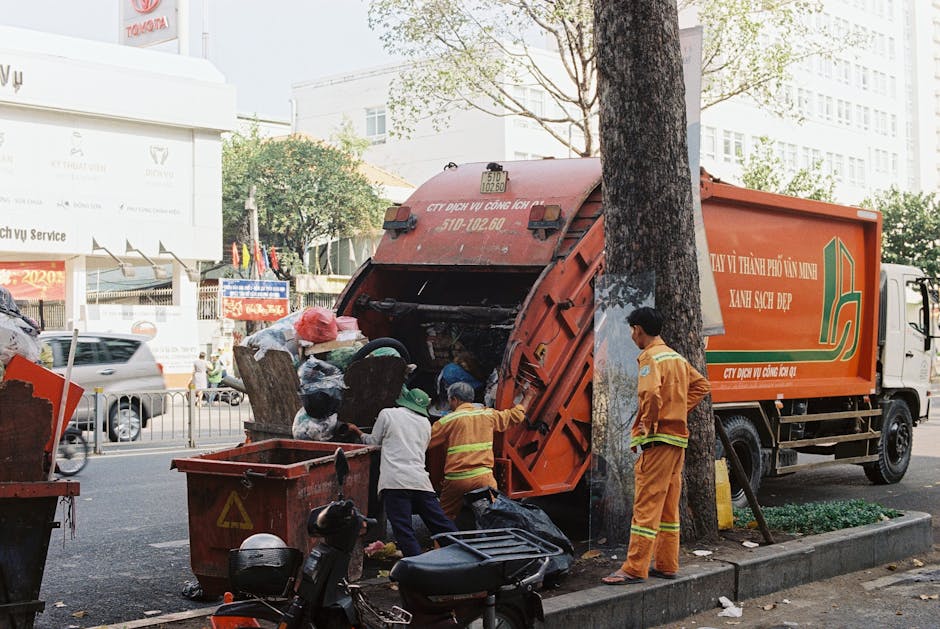
Camden Council waste rules Kentish Town cleaning contractors: a practical guide for compliant, tidy, low-risk work
If you work in or around Kentish Town, waste handling is not the bit of cleaning most people get excited about. But Camden Council waste rules Kentish Town cleaning contractors have to follow can make or break a job. One wrong bin, one missed collection, one bag left on the pavement too long, and suddenly a straightforward clean becomes a complaint, a delay, or worse, a mess that lands back on the client.
This guide breaks the topic down in plain English. You will see how the rules usually affect domestic cleans, end of tenancy work, office visits, after-builders jobs, and one-off deep cleans. We will also cover what contractors should do before, during, and after a clean, where the common traps are, and how to stay organised without making the process feel like a small municipal administration exercise. Because, let's face it, nobody wants that.
For contractors who want to pair compliance with a professional service, it also helps to understand broader business standards such as health and safety procedures, insurance and safety expectations, and a clear recycling and sustainability approach. Those pages sit alongside the operational side of the work, not instead of it.
Why Camden Council waste rules Kentish Town cleaning contractors Matters
Waste rules are not just a back-of-house detail. In a busy part of north London like Kentish Town, they affect street cleanliness, client satisfaction, safety, and the practical rhythm of a clean. A contractor who handles waste properly looks organised. A contractor who does not can look careless, even if the actual cleaning work was excellent.
Camden is dense, busy, and a bit unforgiving when waste is left where it should not be. Narrow roads, shared entrances, limited storage space, and time-sensitive collections all mean that a cleaning contractor has to think ahead. A pile of boxes from an after-builders clean, a bag of mixed waste from a void property, or a stack of damaged packaging from a deep clean all need a plan. Not later. Now.
The council side matters because commercial waste, household waste, bulky waste, recyclable materials, and potentially contaminated cleaning waste should not all be treated the same. That sounds obvious, but in practice it is where mistakes happen. A contractor clearing a flat after a tenancy, for example, may collect old bedding, broken hangers, food packaging, and cleaning residues in one visit. If that is not sorted sensibly, the whole job becomes less efficient and more likely to cause issues.
Expert summary: In Kentish Town, good waste handling is part of professional cleaning, not an optional extra. The best contractors build compliance into the job plan from the start, rather than trying to sort things out at the kerbside.
It also affects trust. A landlord wants a property left tidy. An office manager wants minimal disruption. A homeowner wants the hallway clear and not full of random bags by the front door. To be fair, that is not an unreasonable expectation.
How Camden Council waste rules Kentish Town cleaning contractors Works
The exact requirements depend on the type of waste, the building, and how the property is used. But the working principle is simple: contractors must manage waste responsibly, keep it contained, and avoid creating a nuisance or hazard for neighbours, residents, or passers-by.
In practical terms, that usually means the contractor needs to decide:
- what waste is being generated;
- whether it is general waste, recyclable material, bulky waste, or specialist waste;
- how it will be bagged, boxed, separated, labelled, or stored;
- who is responsible for removing it;
- how it will be moved without blocking common areas or leaving a mess behind.
For a regular domestic clean, waste might be small and straightforward. Think dust bags, packaging, empty bottles, used cloths, and the odd item the resident has asked to discard. A deeper clean, or a move-out clean, can be very different. There may be old furniture, broken household items, forgotten junk in cupboards, or a surprising amount of random clutter under beds. You know the sort of thing. One minute it is a neat two-bed flat, the next minute you have found enough loose batteries, old leaflets, and dead extensions to fill a small bin bag and a half.
For office cleaning, the rules of the building often matter just as much as the council expectations. Shared bin stores, landlord instructions, and building management procedures can all sit alongside local waste rules. If a contractor is using services like office cleaning or office cleaners, they should confirm how and where waste is taken out, particularly when empty toner boxes, paper recycling, food waste, and broken items are involved.
After-builders work is a different beast again. Dust sheets, plaster debris, offcuts, packaging, adhesive residue, and shattered material may all appear in one job. That is where after builders cleaning needs a stronger waste plan than a standard domestic visit. A good contractor will not assume the client has the final bin space for everything.
Key Benefits and Practical Advantages
Following waste rules properly is not just about avoiding trouble. It makes the whole operation smoother and, frankly, less stressful.
1. Fewer disputes with clients. When waste is removed or left in the agreed state, there is less room for awkward conversations. That matters at end of tenancy, after a renovation, or when a landlord is inspecting the property the same day.
2. Better use of time. Contractors who plan waste handling in advance waste less time walking back and forth, asking questions, or trying to rescue a job after the fact. A tidy collection routine saves minutes that add up over a week.
3. Lower risk of complaints. Overflowing bags, blocked pathways, lingering odours, or drips from waste containers can all trigger complaints. A contractor who keeps things neat reduces that risk a lot.
4. Safer working conditions. Mixed waste can hide sharp edges, heavy items, slippery residue, and awkward lifting hazards. Proper handling protects the team as well as the property.
5. Better sustainability. Sorting recyclable material where possible is not just good practice; it is often the more professional choice. If your business already has a sustainability message, it should show up in the day-to-day work, not only on a webpage.
There is also a reputational upside. When contractors are consistent, they start to feel predictable in a good way. Clients remember that. They remember the clean staircase, the unblocked entrance, the bins left exactly where they should be. It sounds small. It really is not.
Who This Is For and When It Makes Sense
This matters to anyone carrying out cleaning in Kentish Town where waste is generated beyond a few cloths and a vacuum bag. That includes solo cleaners, small local teams, larger cleaning companies, and property service providers working across homes, offices, and rental properties.
It is especially relevant when the job involves:
- end of tenancy cleaning with leftover items;
- deep cleaning after a long period of neglect;
- office clear-outs or post-refurbishment cleaning;
- after-builders work with dust, rubble, and packaging;
- home visits where the client asks for minor decluttering;
- properties with shared entrances, limited bin access, or no on-site storage.
For domestic providers, the issue often shows up during broader service lines like domestic cleaning, house cleaning, or one-off cleaning. A cleaner may not be removing heavy waste every day, but even a modest pile of mixed rubbish can become a problem if the building has strict rules or poor bin access.
It also makes sense for businesses that want to present themselves as professional and dependable. If you are comparing providers, waste handling is one of those quiet indicators that separates the organised teams from the "we'll just figure it out on the day" crowd. Truth be told, that difference matters more than people admit.
Step-by-Step Guidance
Here is a practical process contractors can follow on most jobs. It keeps things calm and reduces the chance of a late-night headache.
- Confirm the waste profile before arrival. Ask what kinds of waste will be present: general rubbish, bulky items, recyclables, construction debris, food waste, or items needing special care.
- Check property access and bin arrangements. Find out where waste can be staged safely, when bins are collected, and whether the building has shared rules.
- Separate waste at source where practical. Mixed bags are slower to manage and harder to sort. A little sorting early saves a lot of faff later.
- Bag and contain waste securely. Use appropriate bags, closed containers, and sensible lifting methods. Loose waste is where spills happen.
- Avoid blocking exits or communal walkways. That sounds basic, but it is one of the commonest mistakes in apartment blocks and tight terraces.
- Remove waste according to the agreed method. Whether it goes into a client bin, a designated waste area, or a separate removal process, keep to the plan.
- Leave the site tidy. Check corners, skirting, balconies, shared hallways, and under furniture. Dust and tiny scraps are easy to miss when you are in a rush.
- Record any issues. If waste could not be removed because access was blocked, or if there was a pre-existing problem, note it clearly and tell the client promptly.
If the work includes specialised tasks such as hard floor cleaning or window cleaning, think about by-products too. Dirty water, broken packaging, old pads, cloths, and protective material can all become waste that needs handling carefully.
Expert Tips for Better Results
Little things make a big difference here. The best contractors usually do the unglamorous bits well.
Keep a waste kit in the van. That means strong bags, gloves, a marker, wipes, ties, and a few spare liners. Nothing fancy. Just ready. When you arrive and the client says, "Oh, there's also a bag of old stuff in the cupboard," you will be glad you planned ahead.
Ask one extra question. Not ten. Just one more. "Is there any waste you definitely do not want left behind?" That single question often reveals battery waste, old paint cans, broken glass, or garden debris that nobody mentioned earlier.
Build in a final sweep. This should be part of every exit routine. Check the skirting behind doors, under radiators, around bin stores, and near entry points. You can hear small bits of packaging crunch underfoot if you are paying attention. That detail matters.
Match the method to the property. A family house in Kentish Town does not need the same waste routine as a shared office or a top-floor flat with no lift. Common sense helps more than jargon.
Keep the client informed. If something unusual comes up, say so early. Most people are fine with a sensible explanation. They are far less fine with surprise waste left beside their front door.
For contractors who want to present a more polished service overall, it can help to align waste handling with company policies and client-facing standards, including terms and conditions and pricing and quotes. The more clearly you set expectations, the easier the job tends to be.
Common Mistakes to Avoid
These are the slip-ups that cause most problems. None of them are dramatic on their own, but they stack up fast.
- Assuming the client's bins can take everything. They often cannot. Shared bins fill quickly, and bulky waste rarely fits where you hope it will.
- Leaving mixed bags outside "just for a moment." That moment can turn into a complaint, especially in a busy street or communal building.
- Ignoring building management instructions. Many blocks have fixed waste routes, collection times, or storage rules. Miss them and you risk access issues.
- Overfilling bags. Heavy bags split. Split bags create litter. Litter creates bad vibes. Simple as that.
- Forgetting cleaning by-products. Dirty cloths, empty containers, and residue can be more of an issue than the obvious rubbish.
- Not separating recyclable material where feasible. Even when the job is busy, a bit of sorting helps a lot.
- Failing to document unusual waste. If there is a dispute later, you want a clear record of what was found and what was agreed.
One small but common problem is the "someone else will deal with it" assumption. Nobody likes that sentence. It appears on jobs where everyone expected a different person to manage the rubbish. Better to assign responsibility at the start, even if it feels slightly overcautious. That is usually the professional move.
Tools, Resources and Recommendations
You do not need a giant operations system to stay on top of waste. A few practical tools go a long way.
- Job checklist: include waste type, access, bin location, and removal method.
- Client note template: useful for confirming what will be removed and what will be left.
- Van stock: strong bin bags, gloves, ties, labels, wipes, and spare liners.
- Photo record: handy for documenting pre-existing waste or unusual site conditions where appropriate.
- Staff briefing: short, regular reminders keep habits consistent.
For businesses offering broader cleaning services, the following pages can help support the operational side of the work: cleaning company standards, cleaners, and cleaner services. If your team also handles items that require more careful movement or disposal, consider whether house clearance is a better fit for that part of the job than a standard clean.
And if you are weighing up a supplier, do not forget the human basics: communication, reliability, and whether they actually answer questions without making everything sound like a brochure. Small things, but important.
Law, Compliance, Standards, or Best Practice
This article is not legal advice, and waste requirements can vary depending on the exact material and the site. Still, there are some safe principles contractors in Camden should treat seriously.
Duty of care: waste should be handled responsibly from the point it is generated to the point it is removed or transferred. In everyday language, that means you should know what you are dealing with, keep it contained, and make sensible arrangements for disposal.
Local rules and property rules: Camden Council guidance, building management policies, landlord instructions, and tenancy terms can all affect what a contractor may do with waste on site. Do not assume one set of rules overrides the others. In practice, you often need to satisfy all of them.
Health and safety: waste handling can introduce lifting risks, trip hazards, sharps, contaminants, and slips. A simple approach is safest: use PPE where needed, keep walkways open, and never force an awkward lift when a second pair of hands would do the job better.
Environmental good practice: separating recyclable material, avoiding unnecessary contamination, and reducing avoidable waste are all sensible business habits. They are also easier to maintain if your business already has a clear recycling and sustainability policy.
Insurance and accountability: if waste is mishandled, lost, or causes damage, the business should be able to show it followed a sensible process. Good records matter. Not glamorous, but very useful when needed.
For teams that want a more complete operating framework, it is worth aligning waste handling with the rest of the company's standards, including training, risk awareness, and customer communication. That is where health and safety policy wording becomes more than paperwork.
Options, Methods, and Comparison Table
Different jobs call for different waste-handling methods. Here is a simple comparison of the most common approaches.
| Method | Best for | Pros | Watch-outs |
|---|---|---|---|
| Client bin disposal | Light domestic waste and routine cleaning debris | Simple, fast, usually familiar to the client | Bins may be full, shared, or restricted |
| On-site staging for later removal | End of tenancy, office cleans, small clear-outs | Keeps the job moving without blocking access | Requires secure storage and clear agreement |
| Contractor removal in dedicated bags | Mixed waste, after-builders work, larger jobs | More control, more professional presentation | Needs planning, transport capacity, and disposal arrangements |
| Property-specific instruction | Blocks, managed estates, offices, shared spaces | Reduces disputes and keeps everyone aligned | Instructions can vary and must be checked each time |
If you provide more specialist services such as end of tenancy cleaning or deep cleaning, the third option is often the most reliable. It gives you room to manage waste properly instead of improvising at the end of the visit.
Case Study or Real-World Example
Picture a two-bed flat near Kentish Town station, one of those places where the hallway is just wide enough until you add two bin bags, a Hoover, and a folding ladder. The tenant has moved out. The landlord wants the flat cleaned quickly before new photos are taken. There is a pile of packaging in the kitchen, some old small items in the bedroom cupboards, and general dirt from the move.
A careful contractor would start by checking what should stay and what should go. They would separate obvious recycling from general waste where practical, avoid leaving anything in the communal corridor, and confirm whether the building has a dedicated bin area. If there is no immediate disposal route, they would bag and stage items neatly inside the property rather than guessing.
Now compare that with a rushed job. Bags are left by the front door. The building manager complains. Someone else in the block moves them. The contractor returns to find one bag split and a trail of packaging in the entrance. Same cleaning skills, very different outcome. That is the whole point, really.
On better run jobs, clients often notice the little things first: the absence of clutter, no lingering smells, no waste sitting around, no confusion about what happened to the rubbish. It feels tidy because it is tidy.
Practical Checklist
Use this before, during, and after the job.
- Confirm what waste is likely to be present.
- Ask about shared bins, access routes, and collection times.
- Identify anything that may need special handling.
- Bring enough bags, gloves, and ties for the job.
- Keep walkways, exits, and common areas clear.
- Separate recyclable material where practical.
- Bag waste securely and do not overfill containers.
- Follow building instructions and client agreements.
- Do a final sweep for scraps, packaging, and hidden debris.
- Record issues or exceptions clearly.
If your team also provides carpet cleaning, sofa cleaning, or window cleaning, it is worth folding waste handling into the same end-of-job routine. That way, nothing gets left behind while everyone is thinking about the next room.
Get a free quote today and see how much you can save.
Conclusion
Camden Council waste rules Kentish Town cleaning contractors deal with are not there to make life awkward. They are there to keep streets, buildings, and shared spaces safe and manageable. Once you treat waste as part of the service, not an afterthought, the whole job gets easier.
The best contractors in Kentish Town are usually the ones who keep their waste process simple, consistent, and visible to the client. Nothing flashy. Just dependable, tidy, and thoughtful. That is the kind of service people remember, and in a busy part of London, it carries real weight.
If you are building a more professional cleaning operation, start with the basics: clear communication, sensible handling, and a calm final sweep before you leave. The rest tends to follow.
Frequently Asked Questions
What do Camden Council waste rules mean for cleaning contractors in Kentish Town?
In practical terms, they mean contractors need to manage waste responsibly, keep it contained, and follow the relevant site or local rules for disposal, storage, and collection. The exact steps depend on the job.
Do cleaning contractors need to separate waste on every job?
Not every job requires full sorting, but separating recyclable material from general waste is often sensible when it is easy to do. Mixed waste becomes harder to manage and more likely to cause problems later.
Can a cleaner use the client's bins for everything?
Only if the bins can actually take it and the arrangement is appropriate for the property. Shared or full bins can create issues, so it is better to check first rather than assume.
What happens if waste is left outside a property too long?
It can create complaints, block access, attract attention from neighbours, and make the contractor look disorganised. In a busy area like Kentish Town, that is not a small issue.
Is after-builders cleaning treated differently from domestic cleaning?
Usually yes, because the waste is heavier, dustier, and more mixed. Packaging, debris, and leftover material often need a more careful removal plan than routine domestic waste.
What should contractors do with bulky items during an end of tenancy clean?
They should agree the method in advance. Bulky items may need separate handling, and they should not be left in hallways, stairwells, or other shared spaces without permission.
Are cleaning cloths, pads, and empty product containers considered waste?
Yes, they can be. They should be collected and disposed of sensibly as part of the normal waste process, especially if they are damp, contaminated, or likely to smell.
How can contractors avoid complaints about waste handling?
Set expectations early, check access and bin arrangements, keep waste secure, and do a proper final sweep before leaving. Small habits prevent most complaints.
Does office cleaning create different waste problems from house cleaning?
It often does. Offices may involve paper recycling, food waste, packaging, confidential material, and building rules that are stricter than a normal home. The process needs to match the environment.
What is the safest way for a contractor to handle waste in a narrow Kentish Town property?
Keep waste contained, avoid blocking passages, move items in manageable loads, and use the building's agreed route. In tight spaces, planning matters more than speed.
Should a cleaning company document unusual waste found on site?
Yes, if it is sensible to do so. A quick note or photo record can help avoid disputes later, especially where the client did not mention the waste beforehand.
Where can I learn more about a contractor's standards before booking?
Look at their wider service information, including pages such as about us, complaints procedure, and insurance and safety. Those details often tell you a lot about how seriously they take the work.