Last minute stain removal cleaning Kentish Town emergencies
Spilled red wine before guests arrive? Mud tracked in after a rainy dash from Kentish Town station? A curry splash on the sofa five minutes before a viewing? Last minute stain removal cleaning Kentish Town emergencies are exactly the kind of mess that feel bigger than they are in the moment. The good news is that most stains can be improved quickly if you act in the right order, avoid the usual mistakes, and know when to bring in a professional. This guide walks you through the whole thing in plain English, with local, practical advice that actually helps when time is tight.
Whether you are dealing with carpet, upholstery, a mattress, a dining chair, or the hallway runner that seems to collect every shoe print in NW5, you will find a calm plan here. We will cover what emergency stain removal really means, how it works, what to do first, and how to decide if the job needs same-day support. To be fair, in an actual emergency, the most useful thing is a simple sequence you can follow without thinking too hard.
- Why this matters in a hurry
- How emergency stain removal works
- Key benefits and practical advantages
- Who needs it and when it makes sense
- Step-by-step guidance
- Expert tips for better results
- Common mistakes to avoid
- Tools, resources and recommendations
- Law, compliance, standards and best practice
- Options, methods and comparison table
- Case study or real-world example
- Practical checklist
- Conclusion
- Frequently asked questions
Why Last minute stain removal cleaning Kentish Town emergencies Matters
Stains are not just visual. In a busy London home, they can affect comfort, hygiene, first impressions, and even deposit negotiations if you are moving out. A fresh stain on a carpet can spread into the pile within minutes. Upholstery can wick liquid down into the cushion. And if you try the wrong DIY fix, you may set the mark permanently. That is the bit people usually miss until it is too late.
In Kentish Town, emergencies often happen in tight spaces: flats with busy foot traffic, stairwells with poor lighting, or shared homes where people are rushing in and out. A small spill on a light rug can look dramatic under warm evening light, especially when everyone is still in "guest mode" and the room is being used. If you have ever seen a stain look twice as bad the next morning, you will know what I mean.
There is also a timing issue. Some stains are much easier to remove before they dry, oxidise, or bond with fibres. That is why quick, measured action matters more than panic. A good emergency response is not about scrubbing harder. It is about doing less, but doing it properly.
Expert summary: For emergency stain removal, the first five minutes matter more than the first five products. Blot gently, protect the area, avoid heat, and choose the right cleaning method for the material.
How Last minute stain removal cleaning Kentish Town emergencies Works
Emergency stain removal cleaning is a rapid-response process that starts with identifying the stain type and the material affected. A coffee spill on a wool carpet is not the same as a grease mark on a cotton sofa or a wine stain on synthetic upholstery. The method changes depending on whether the stain is water-based, oil-based, protein-based, or something more stubborn like ink or dye transfer.
In practice, a proper emergency clean usually follows four stages:
- Assess the stain - What caused it, how fresh is it, and what surface has it reached?
- Stabilise the area - Blot, contain, and stop the stain from spreading.
- Treat safely - Use the mildest effective solution first, tested in a discreet spot where possible.
- Extract and dry - Remove residue and moisture so the stain does not come back later.
That last part matters more than many people think. A stain can appear to disappear, only to resurface once the fabric dries. This is common with sugary drinks, milk, sauces, and some cleaning agents that were left behind. If your sofa smells slightly sweet the next day, the stain probably was not fully removed. Annoying, yes. Fixable, often.
For local households, emergency cleaning may involve a same-day visit or a rapid DIY pre-treatment before a cleaner arrives. If you need broader support beyond the stain itself, it can help to look at the wider range of cleaning services available and choose the right one for the surface and urgency.
Key Benefits and Practical Advantages
The main benefit is obvious: faster stain removal usually means better results. But there are a few other advantages worth spelling out, because they make a real difference in emergencies.
- Less fibre damage - Gentle early treatment is less likely to roughen carpet pile or distort upholstery.
- Reduced risk of permanent staining - Some substances bond quickly, so speed can save the finish.
- Better hygiene - Food, drink, and pet accidents can leave residues that are not just unsightly.
- Less stress - A plan calms the situation. Sounds simple, but it helps.
- Improved presentation - Important before guests, landlords, estate agents, or a dinner party you slightly overcommitted to.
There is also a practical money angle. A minor stain dealt with promptly is often far cheaper and simpler than a full replacement later. That is especially true for carpets in rented homes or upholstered items you actually like and want to keep. If you are comparing service levels or trying to budget for an urgent visit, it may help to review pricing and quote options before you are in full panic mode.
One more benefit people overlook: acting quickly often makes it easier to work around local life. In Kentish Town, you may be fitting cleaning around commute times, school runs, or a small flat where moving furniture is its own little workout. The less complicated the fix, the better.
Who This Is For and When It Makes Sense
Emergency stain removal is not only for dramatic disasters. It is for any situation where time pressure changes the decision. You might need it if:
- you have a same-day viewing or end-of-tenancy inspection
- guests are arriving within hours
- a child, pet, or visitor has caused a spill on a noticeable surface
- you have a recurring mark that is getting worse after each DIY attempt
- you need to protect rented furnishings or shared household items
- a stain has landed on a delicate surface like wool, velvet, or lightly coloured upholstery
It also makes sense if the stain is in a high-visibility area: the living room carpet, hallway runner, sofa seat cushion, or office reception chair. A hidden mark in a spare room can probably wait. A dark stain in the middle of the front room, right before people walk in? That is a different matter.
If you live locally and want to understand the broader upkeep of your property, the article on daily life in Kentish Town gives useful context about the sort of homes and routines people here tend to manage. It is a nice reminder that real homes are lived in, not staged like showrooms.
Step-by-Step Guidance
If the stain is still fresh, move through these steps calmly. No heroics.
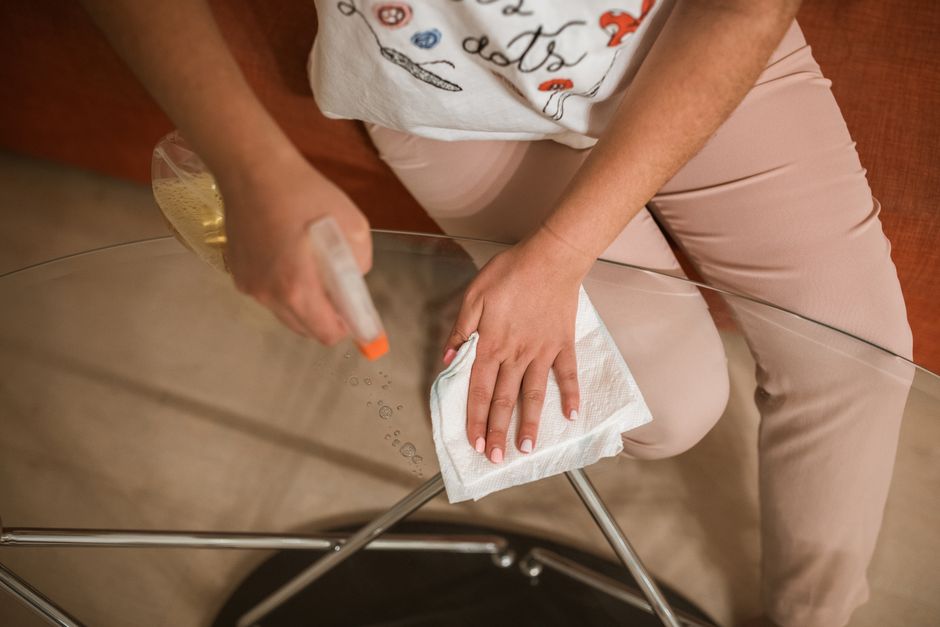
- Stop the spread. Use a clean white cloth or paper towel and blot from the outside in. Do not rub. Rubbing pushes the stain deeper and spreads the mark.
- Lift solids first. If the spill contains food, gently pick up excess material with a spoon or blunt edge. Avoid pressing it further into the fibres.
- Test moisture carefully. Lightly dab with cool water on a cloth if appropriate for the material. The goal is to dilute, not soak.
- Use the mildest effective cleaner. A small amount of suitable solution is better than a heavy-handed one. More is not better here, honestly.
- Blot again. Keep lifting moisture until the cloth comes away mostly clean.
- Rinse if needed. Residue can attract dirt, so a gentle water rinse is often useful on carpets and robust fabrics.
- Dry thoroughly. Use air circulation, open windows if practical, and avoid high heat unless you know the fabric can handle it.
For a simple coffee stain on a carpet, this might be enough. For wine on upholstery, it might reduce the mark but not fully remove it. For grease, ink, paint, or unknown substances, stop early and reassess. Sometimes the smartest move is to avoid making a bad stain worse while waiting for a proper clean.
If the stain happened during a longer clean-up job, such as moving out or refreshing a heavily used room, you may also find end of tenancy cleaning support useful because stain treatment is often only one part of the job. In a real household, the tasks tend to overlap. That is just life.
Expert Tips for Better Results
Here is the difference between a decent rescue attempt and a messy one: restraint. A lot of stain damage comes from trying too many remedies too quickly.
- Work from the outside in so the stain does not creep outward.
- Use white cloths rather than coloured towels that can transfer dye.
- Keep water cool or lukewarm unless the fibre and stain type clearly allow otherwise.
- Patch test every new product on a hidden area first.
- Allow drying time between attempts if you are repeating a process. Constant soaking can make matters worse.
- Mind the backing and padding of carpets and upholstery; stains can travel below the surface.
Something else worth saying: household products are not always gentle. Vinegar, bleach, and strong detergents can lighten dyes, weaken fibres, or leave a lingering residue. They can also create a strange smell that turns a simple spill into a whole afternoon. Not ideal.
For delicate pieces, a professional approach is often safest. If the item is valuable, sentimental, or simply too awkward to replace, consider structured support such as upholstery cleaning in NW5 or a targeted carpet treatment, depending on what was affected.
Common Mistakes to Avoid
This section saves more expensive mistakes than people usually admit. We have all been tempted to scrub harder than necessary. The stain is there. Your patience is not.
- Rubbing instead of blotting - This is the classic one. It drives the stain deeper.
- Using too much liquid - Over-wetting can spread the mark and damage backing or underlay.
- Choosing the wrong chemical - Some stains react badly to the wrong cleaner.
- Applying heat too early - Heat can set certain stains, especially protein-based or sugary ones.
- Mixing products - Never mix cleaning chemicals unless the manufacturer specifically says it is safe.
- Ignoring residue - If cleaner is left behind, the area can attract soil later.
A common local scenario is someone trying a quick fix before leaving for work, then coming back to a bigger ring or a roughened patch. At that point, the surface may still be treatable, but the process gets more delicate. If you are ever unsure, stop early and preserve the fabric rather than experimenting. That is not being overly cautious. It is common sense.
Tools, Resources and Recommendations
You do not need a cupboard full of specialist products to handle most emergency stains. A small, sensible kit is usually enough.
| Tool or item | Best use | Why it helps |
|---|---|---|
| White microfibre cloths | Blotting spills on carpets and upholstery | They show transfer clearly and avoid colour bleed |
| Paper towels | Initial absorption of fresh liquid spills | Quick to use and easy to replace |
| Soft spoon or blunt edge | Lifting solids | Reduces pressure on the fibres |
| Gentle cleaning solution | Light treatment of suitable stains | Useful for controlled spot cleaning |
| Clean water spray bottle | Light rinsing and dilution | Lets you apply moisture carefully |
| Fan or open window | Drying treated areas | Helps prevent odour and residue issues |
If you want a broader view of the company behind the work, it can be useful to read the about us page and understand how a cleaning team approaches jobs, especially urgent ones. It is a small thing, but trust matters when you are letting someone into your home at short notice.
For those planning ahead rather than firefighting, the site's carpet cleaning in NW5 information is also relevant because regular maintenance makes later emergencies easier to handle. A well-kept carpet tends to recover better. Simple, but true.
Law, Compliance, Standards and Best Practice
Emergency stain removal sits in the world of general property care rather than a heavily regulated trade, but best practice still matters. If you are hiring someone to work in your home, you want to know they operate safely, use products sensibly, and take care around surfaces, electrics, and ventilation.
In the UK, reputable cleaners should be mindful of product safety information, sensible chemical handling, and reasonable precautions around slip hazards and residue. For households, the practical standard is straightforward: use products as instructed, keep people and pets away from treated areas until safe, and do not mix unknown substances together. That last point sounds obvious, but it gets skipped when people are stressed and moving quickly.
There is also a best-practice angle around transparency. If you are comparing urgent cleaning help, it is sensible to understand what is included before agreeing to anything. Clear communication around access, item type, stain age, and expected outcomes helps prevent misunderstandings later. If price clarity matters to you, you may want to look at advice on avoiding hidden cleaning charges in Kentish Town.
And if the stain is in a rental property, remember that careful documentation is often wise. Not because every spill becomes a dispute, but because a few photos before and after treatment can help if you need to explain what happened. Calm records beat memory every time.
Options, Methods, or Comparison Table
Different stains call for different responses. Here is a simple comparison to help you decide what is sensible in the moment.
| Method | Best for | Strengths | Limits |
|---|---|---|---|
| Blotting and cool water | Fresh drinks, light spills, surface marks | Fast, safe, low risk | May not fully remove older or oily stains |
| Gentle spot cleaning | Small stains on robust carpet or fabric | More effective than water alone | Needs patch testing and careful use |
| Targeted upholstery treatment | Sofas, chairs, cushions, padded furniture | Designed for fabric behaviour and drying | Delicate materials still need expertise |
| Professional same-day cleaning | Large, urgent, delicate, or uncertain stains | Better equipment, better extraction, less guesswork | May cost more than DIY |
For most people, the best choice is a mix: do the right first aid immediately, then decide whether to call in help. If the area is large, the stain is unknown, or the item matters to you, professional intervention is often the safer route. There is no prize for doing it the hard way.
Related reading like common carpet-cleaning problems in NW5 flats can also help you understand why certain surfaces behave the way they do in smaller homes and shared buildings. Flats can be tricky. Tight rooms, limited ventilation, and older materials all change the cleaning approach.
Case Study or Real-World Example
Here is a very typical Kentish Town scenario. A tenant is expecting friends for dinner at 7 pm. At about 6:10, a glass of red wine tips onto a pale living room carpet. It looks awful at first glance, the sort of patch that makes everyone suddenly very interested in the floor. The first instinct is to scrub. Fortunately, they do not.
Instead, they blot with a clean cloth, lift the excess liquid, and keep the area lightly damp rather than drenched. They avoid hot water, avoid bleach, and avoid the "maybe if I just attack it harder" phase. By the time a professional visit is arranged, the stain has not spread, and the pile is still in decent shape. The final result is much better than it would have been after panic treatment.
The same pattern shows up with pet accidents, coffee spills, and food grease. The best outcomes usually come from early restraint, not dramatic intervention. One of the most useful lessons in stain removal is that a half-good first response can be better than ten chaotic minutes with the wrong product. A bit boring, perhaps, but true.
For properties around busy local routes, urgent issues often arise just as people are coming and going. If you need more specific local context, the article on carpet cleaning on Kentish Town Road is a useful companion piece because it speaks to the kinds of homes and everyday wear patterns common in the area.
Practical Checklist
Use this checklist when a stain happens and you need to think fast.
- Identify the stain - food, drink, mud, grease, ink, pet accident, or unknown
- Check the material - carpet, wool, synthetic fabric, cotton, velvet, leather, or mixed fibres
- Blot gently - never rub hard
- Remove solids first if present
- Test any cleaner in a hidden spot
- Use as little liquid as possible
- Keep heat away until you know the stain type
- Ventilate the room and dry thoroughly
- Stop if the stain worsens or the fabric looks damaged
- Document the area if the property is rented or shared
- Arrange a professional clean if the stain is stubborn, large, or delicate
That is the basic emergency playbook. Short, boring, effective. Exactly what you want when something spills five minutes before company arrives.
Get a free quote today and see how much you can save.
Conclusion
Last minute stain removal cleaning Kentish Town emergencies are stressful, but they are rarely hopeless. The biggest wins usually come from staying calm, blotting rather than rubbing, using the right approach for the material, and knowing when a stain has moved beyond DIY territory.
If you remember only one thing, make it this: act quickly, but gently. That combination solves more problems than brute force ever will. And if the stain is on something valuable, delicate, or simply too visible to risk, professional help is often the sensible call. No drama. Just a better outcome.
At the end of the day, homes are meant to be lived in, not kept unrealistically spotless. A stain is a problem, yes, but usually a manageable one. Take the first step, do it well, and the rest gets easier from there. Sometimes that is enough.
Frequently Asked Questions
What should I do first after a fresh stain on carpet?
Blot the area gently with a clean white cloth or paper towel. Work from the outside in, and avoid rubbing. The goal is to remove as much liquid as possible without spreading the stain deeper into the pile.
Can I use hot water on every stain?
No. Hot water can set certain stains, especially protein-based spills and some dyes. Cool or lukewarm water is usually the safer starting point unless you know the material and stain type well.
How do I know if a stain needs professional help?
If the stain is large, old, greasy, on delicate fabric, or keeps returning after drying, it is probably time to call in a professional. Unknown stains are also a good reason to stop experimenting.
Will a stain always disappear after cleaning?
Not always. Some stains fade but do not vanish completely, especially if they have already set or damaged the fibre. A good clean can still improve appearance a lot, though, and often makes the mark far less noticeable.
Is it safe to use household cleaners on upholstery?
Sometimes, but only with care. Upholstery varies a lot, so patch testing matters. If you are unsure, it is safer to use a targeted fabric-safe approach rather than whatever happens to be under the sink.
Why does a stain sometimes come back after drying?
That is often called wick-back. Moisture or residue travels up from deeper fibres or backing material and becomes visible again as the area dries. Proper extraction and controlled drying help reduce this.
What stains are hardest to remove quickly?
Ink, grease, red wine, coffee with milk, pet accidents, makeup, paint, and dye transfer can be tricky. Some of these are manageable, but they usually need the right method and a bit more patience.
Can I prevent stains from setting while I wait for help?
Yes. Blot the stain, keep the area lightly controlled rather than soaked, and avoid heat or scrubbing. That usually buys you time without making the problem worse.
Does same-day cleaning make a difference?
Often, yes. The fresher the stain, the better the odds of a strong result. Same-day or rapid response can make a noticeable difference, especially on carpets and soft furnishings.
What if the stain is on a rented property item?
Take clear photos before and after treatment, keep notes on what happened, and avoid aggressive DIY fixes. If the item belongs to a landlord or managing agent, careful documentation is sensible.
Are all cleaning products suitable for Kentish Town flats and smaller spaces?
Not necessarily. Smaller flats often have limited ventilation and tighter drying conditions, so low-residue methods and careful moisture control are especially important. A strong smell in a small room can linger longer than you expect.
Where can I learn more about local cleaning support and related services?
You can explore the wider blog resources for nearby advice, service context, and practical cleaning guidance, or look through the site's service pages if your emergency involves more than one surface.